Fancy yourself as an aspiring Picasso? Or can’t get your head out of a book? Either way, there’s good news.
A recent study from UCL found that arts and culture lovers had a younger biological age. Looking at data from 3,556 participants, those who regularly engaged in creative activities aged 4% more slowly, based on changes to DNA that track with ageing.
Professor Daisy Fancourt, who led the research, explains more: “Our study also suggests that engaging in a variety of arts activities may be helpful. This may be because each activity has different ‘ingredients’ that help health, such as physical, cognitive, emotional or social stimulation.”
That’s not to say regular exercise and a good diet can’t help. But having creative hobbies could be one ingredient in living a longer, healthier life.
Key takeaways:
- Taking part in arts and cultural activities may slow down biological ageing and boost wellbeing.
- These activities are more accessible than you think.
- Simple changes can make creative hobbies part of everyday life.
How arts and leisure activities help with slower ageing
- They can create social connections, helping reduce feelings of loneliness and isolation.
- They can provide a sense of purpose, positively impacting mental health.
- They can support brain health and long-term memory, which may help maintain cognitive function as we age.
- They can reduce stress levels, which could improve mood and overall psychological health.
The best activities that slow down ageing
If you don’t consider yourself naturally creative, there’s no need to worry. You can start with simple, low-pressure activities. No matter your skill set, you can still enjoy the benefits.
Plus, there are plenty to choose from – the most important thing is finding something you love.
Singing
You don’t need to have the voice of an angel. Whatever your vocal talents, singing is a natural mood booster.
The combination of breathing, vocal expression and music releases dopamine, endorphins and serotonin – aka the ‘happy’ chemicals.
If you never miss a karaoke night, why not explore joining a local choir or vocal group? It can help encourage social connection and a sense of community.
Listening to music
Not into hitting the high notes? Well, listening to it is the next best thing.
Listening to calming music has been shown to reduce stress, slow the heart rate, and lower blood pressure. Familiar tunes activate the brain’s reward centres – much like the feeling you have when you eat a favourite meal or get a compliment.
For a more immersive experience, there’s nothing like the buzz of live music. Check out concert listings on websites like Songkick or Dice, and enjoy listening to your favourite artists live at venues near you.
Painting
Don’t worry if you don’t know your gouache from your acrylics. With painting, there’s no need to create a masterpiece. It’s all about the process itself.
Getting the creative juices flowing can let you enter a restorative ‘flow state’ – a feeling of focus that people can find deeply relaxing.
Love the idea of getting creative? Here are more activities you could give a go at:
- Photography
- Crochet and knitting
- Scrapbooking
- Pottery and ceramics
- Jewellery making
Reading
Many of us enjoy watching a bit of telly, but why not swap half an hour of TV for a book?
Reading is a great form of self-care, providing some escapism from real life and allowing the mind to quiet down and relax.
Winding down with a good book may also help you sleep, as it signals to the body that it’s time for some shut-eye. Getting enough sleep can go a long way towards overall health.
Visiting museums & galleries
However old you are, there’s always something new to discover.
Visiting a museum or gallery can stimulate the brain, acting as a time machine to the fascinating worlds of the past.
And it’s a great way to disconnect from the hustle and bustle of everyday life. You can become immersed in the beauty of a portrait or the history behind ancient artefacts for hours on end.
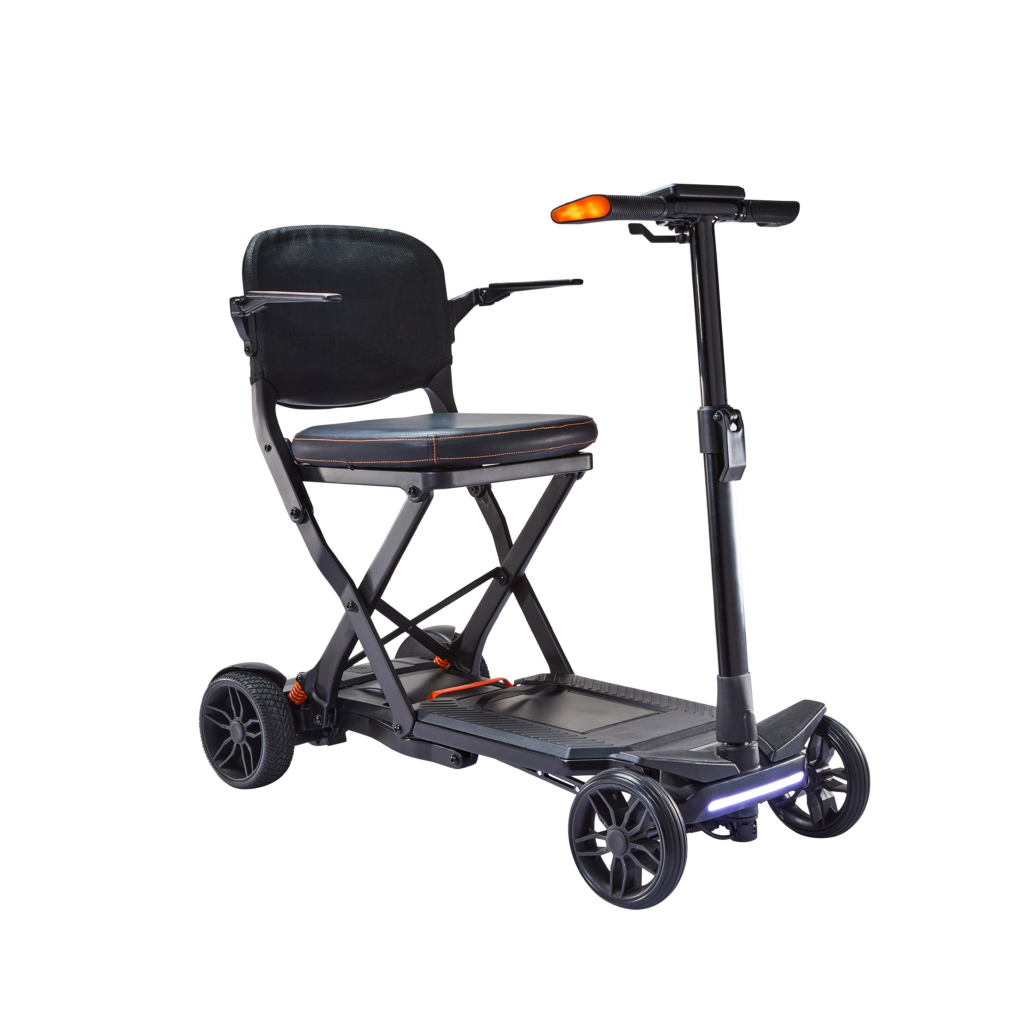
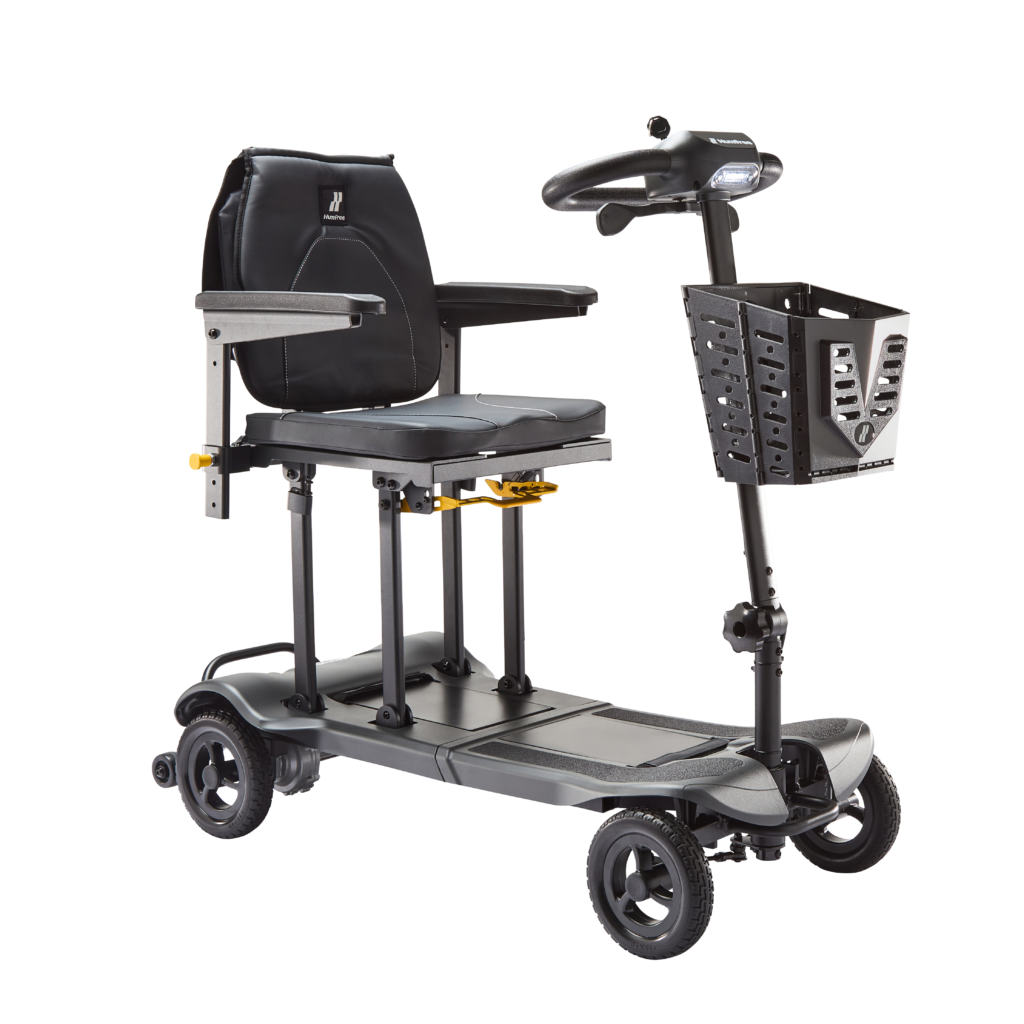
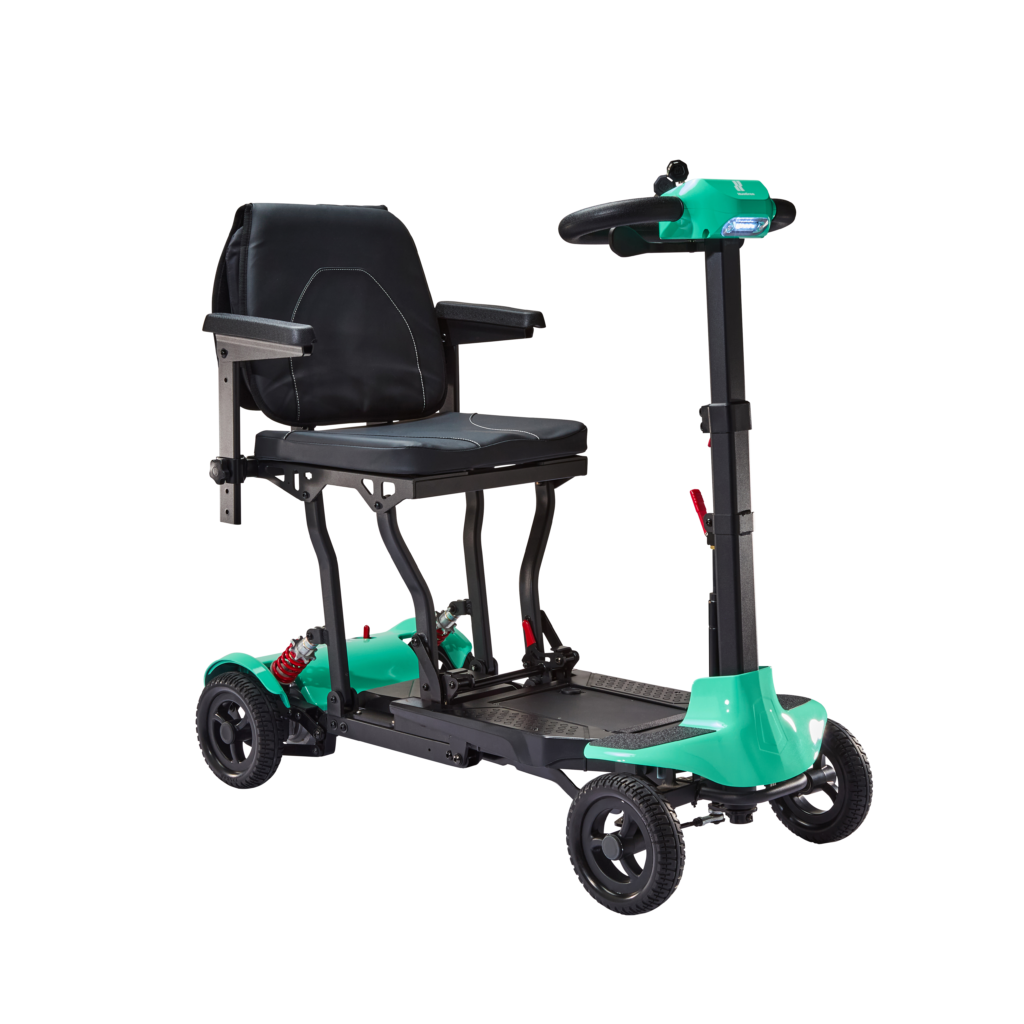
Having more free time to explore is one of the best things about later life. But if you need a little help with your mobility, getting out and about can sometimes feel challenging. Luckily, we’ve pulled together a list of places in the UK that are genuinely scooter-friendly – so you can stay out all day and head home energised and ready for more.
How to add more creative activities to your routine
You don’t need to become an art lover overnight. Introduce these activities slowly and organically into your day-to-day life. It’s easier than you think.
You can do this by:
- Swapping from digital to analogue – e.g. read the book before watching the film adaptation.
- Love coffee and cake? Try coffee and crafts instead – spend your afternoons doing an arty activity.
- Catch up with friends at a gallery or museum – a shared interest is a great way to bond and form a deeper connection.
- Soundtrack your daily walk, time in the garden, or getting ready with your favourite album – plus, it’ll make chores go by quicker.
- Get your socialising fix at a local hobby group, such as a book club or life drawing – visit Meetup.com to find one near you.
At Humfree, we’re all about independence and freedom. Taking part in regular arts and culture activities can help you feel your best. So, you have more confidence and energy for the moments that matter most.