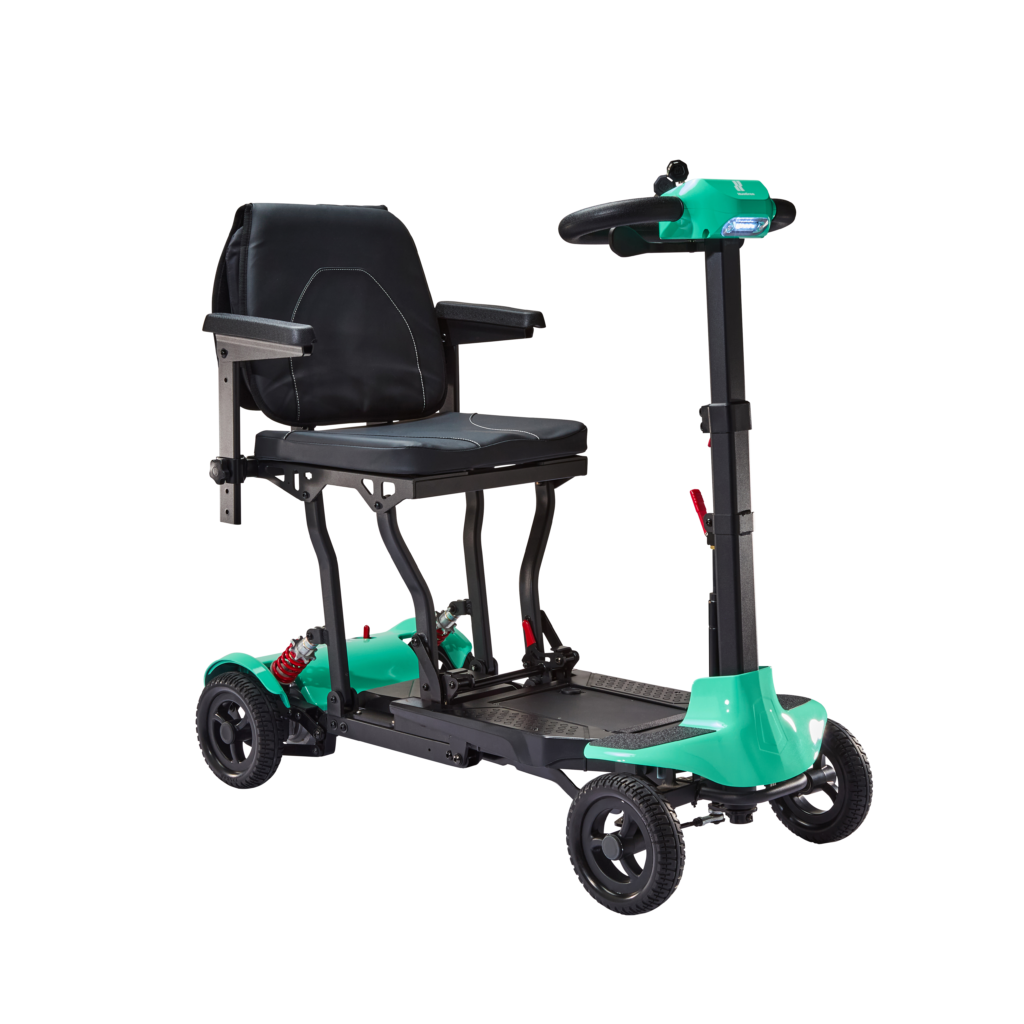
Taking your new scooter out for a spin? Before you head out, it’s important to understand the UK’s mobility scooter laws, road rules, and etiquette.
Legal stuff can be confusing, but we’re here to break everything down in one handy guide.
Key takeaways:
- There are two main types of mobility scooters: Class 2 (pavement) models and Class 3 (road) models.
- You don’t need a driver’s license, but Class 3 scooter users must register with the DVLA.
- Keep it fun for yourself and others by sticking to the UK’s rules and mobility scooter etiquette.
What are the UK mobility scooter rules?
Specific rules vary on the class of your mobility scooter – we’ll get to that in a second – but one thing is clear: you must be physically disabled or have limited mobility to use one. You can find full guidance on GOV.UK.
Classifications, explained
In the UK, there are two different types of mobility scooters, Class 2 and Class 3.
Class 2 pavement scooters
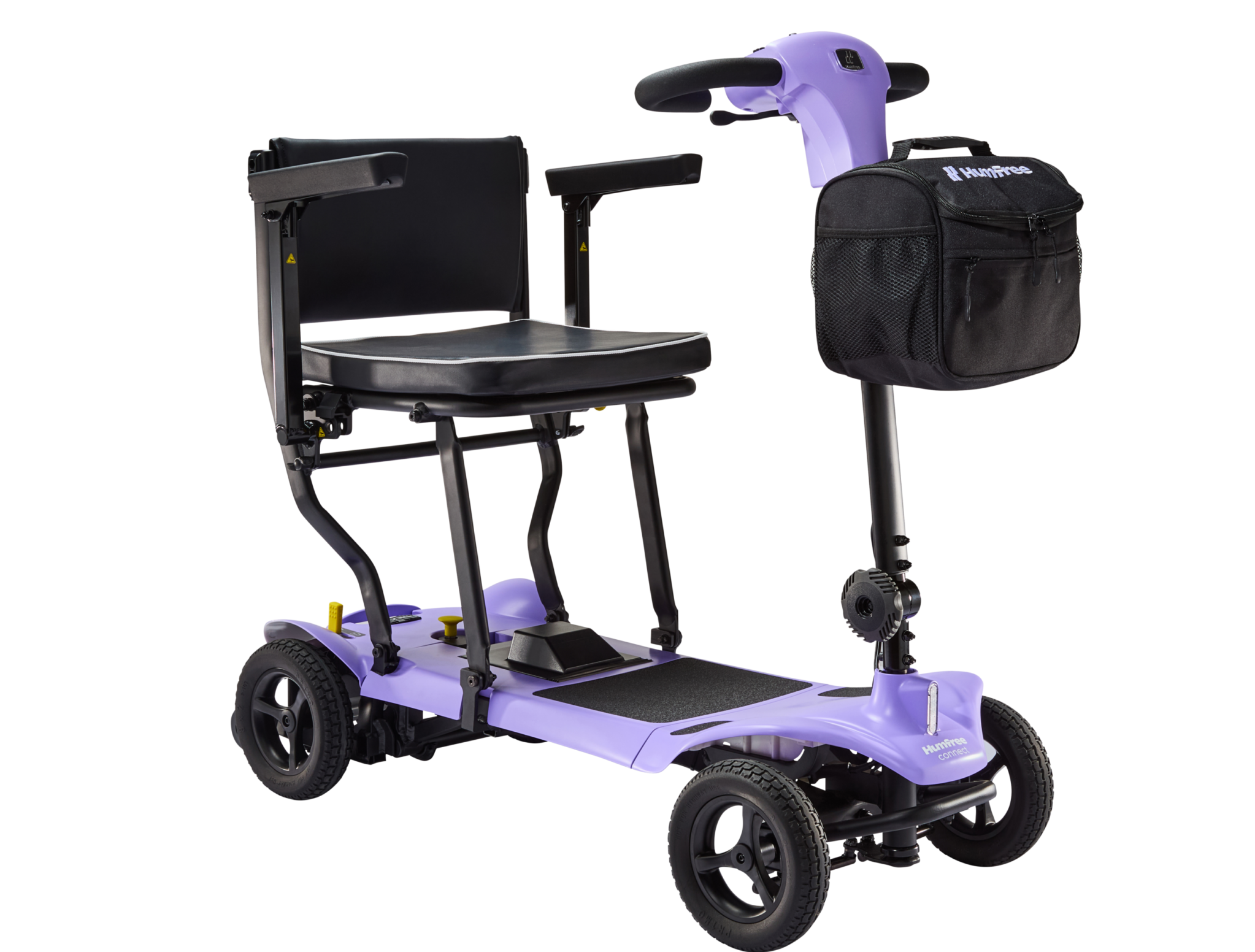
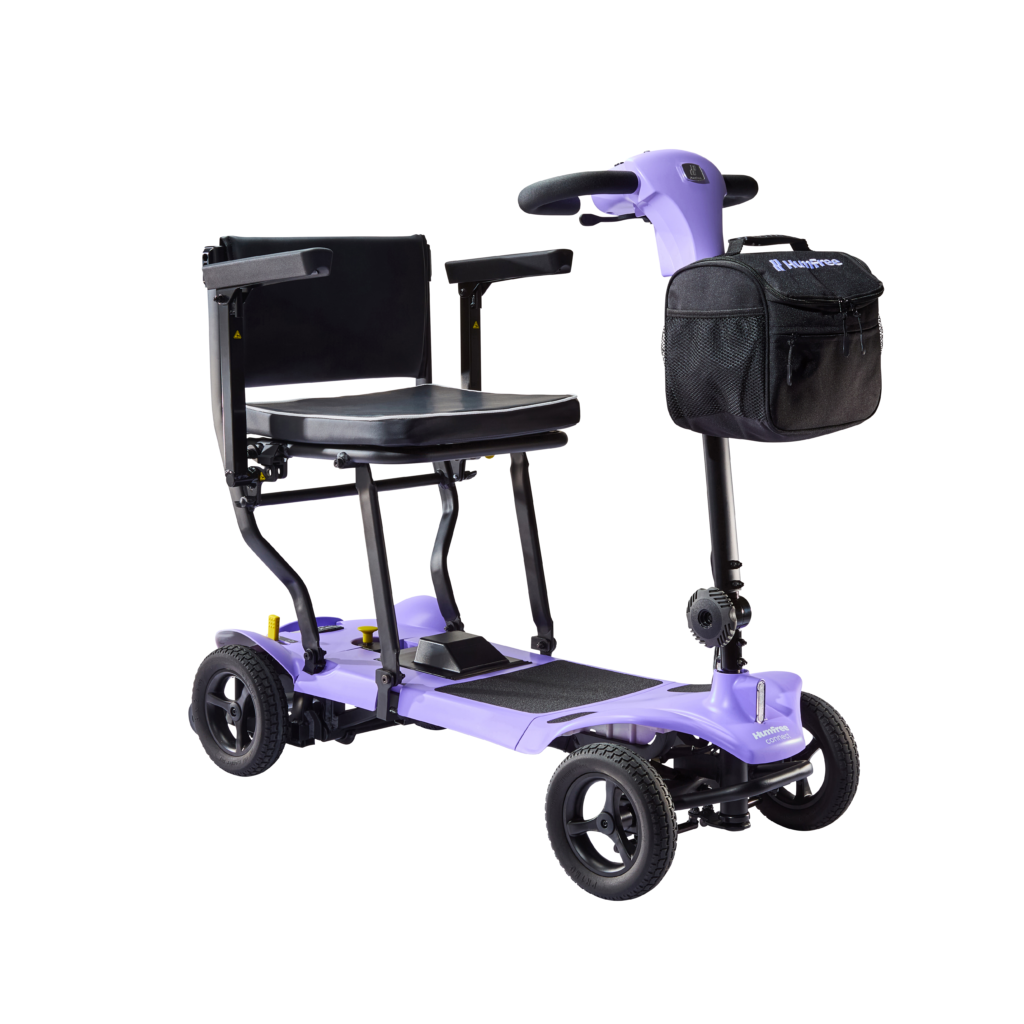
Our scooters fall into the Class 2 category. This means they have a maximum speed of 4mph or less and can be used on pavements and pedestrianised areas. They’ll help you cross over roads, but they aren’t designed for road travel. You’ll need a Class 3 scooter for that.
Class 3 road scooters
Class 3 scooters can do everything a Class 2 can – but they can also drive on the road.
The maximum pavement speed is still 4mph or less, but you can ride slightly faster, at up to 8mph, on the road.
Unclassed scooters
If your scooter travels faster than 8mph or weighs more than 150kg, it’s no longer in Class 2 or 3. This means it’s treated as a more conventional motor vehicle, so you’ll need a valid driving licence and to register it with the DVLA.
If you’re thinking about buying a mobility scooter, we’d stick to a Class 2 or 3. They have all the benefits, without the hassle of getting a licence.
Do you need a license to drive a mobility scooter?
Bad memories of taking your driving test? Don’t worry – there’s no need to have a license, take a test or pass any exam to drive a Class 2 or 3 scooter.
However, during a home visit, our friendly scooter experts will show you the ropes. They’ll take you through every stage of the driving process, so you feel 100% confident – you’ll even get a fancy certificate at the end of it.
Where can you legally drive a mobility scooter?
Here’s where you can legally drive both a Class 2 and Class 3 mobility scooter:
- Pavements and pedestrianised paths.
- Crossing over roads.
- Inside your favourite shops, cafés, or restaurants.
- Indoor spaces, such as shopping centres, museums, or even football stadiums.
- Local parks, nature reserves, or zoos.
- Cycle tracks on the pavement.
- At home – whether yours or others.
A Class 3 scooter can also be legally driven on most roads, including dual carriageways. Remember, it’s illegal to drive a Class 2 scooter on the road.
Note: On dual carriageways, you must use a flashing amber beacon to be seen by other traffic – we’d avoid using it on dual carriageways with speed limits over 50mph.
All mobility scooters are banned from motorways, road cycle lanes, and bus lanes.
Do I need to follow The Highway Code when using a mobility scooter?
Whether you have a Class 2 or Class 3 mobility scooter, you’re legally required to follow the Highway Code. This includes general conduct, travelling on roads, and rules around parking. If you need a little refresher, head over to GOV.UK.
Do I need to register my mobility scooter?
Class 3 scooters must be registered with the DVLA, though they are exempt from vehicle tax. Click here for more information.
It’s even easier with Class 2 scooters – no registration is needed.
Do mobility scooters need insurance?
Insurance is optional, but it’s always a good idea.
At Humfree, every scooter includes a free 2-year warranty and ongoing support, so you can feel confident long after delivery.
What do I need to drive on the road?
Your scooter must have:
- A Class 3 categorisation.
- A maximum speed of at least 8mph.
- Working and efficient brakes.
- A good view of the road and traffic ahead.
- Front and rear lights, as well as reflectors.
- Direction indicators that can signal hazard warnings.
- A rear-view mirror.
- An audible horn.
Can I travel overseas with a mobility scooter?
It’s easier than you think to take it on a plane. Just make sure you check with your chosen airline before you fly.
And there’s usually no issue with taking your mobility scooter on most trains and ferries.
However, for riding on pavements and roads abroad, it’s best to double-check the country’s specific guidelines.
The standard travel policy may not cover mobility aids, so bear that in mind.
Mobility scooter etiquette
Before you head off, take note of our etiquette tips to make riding enjoyable for yourself and others:
- Slow down in busy areas.
- Keep a respectful distance from those in front of you – use a bell or horn if approaching.
- Don’t block access on pavements, access ramps or shop aisles.
- Stay alert when driving and avoid distractions, like using your phone or headphones.
- Stick within the speed limit – it’s there for a reason.
- And remember, pedestrians always have the right of way.
Have more questions?
Getting to grips with anything new can be difficult. That’s why we’re here to support your mobility scooter journey.
From on-the-road guidance to general safety, our friendly UK-based customer support team is always on hand to help. So, you can ride away in confidence.
FAQs about Mobility scooter laws and etiquette
Let’s address some of the most common questions.