It’s a surprisingly loaded question.
On the surface, it sounds practical – a financial decision, maybe a logistical one (can I fit it in my hallway?). But underneath, there’s often an undercurrent of values at play.
Pride. Identity. Worry about what it ‘means’. Concern it signals you’ve ‘given up’ – or that others will think the same. Or perhaps a hope that maybe things will improve and you won’t need one after all.
So let’s answer it properly, without glossing over the emotionally loaded bits.
Is it worth buying a mobility scooter?
The short answer? If you’re already here, chances are, the answer is ‘yes’.
Why? Because people tend to leave these things later than they should. It’s natural to want to carry on without tools or assistance – to just ‘get on with it’. By the time many people make the leap and invest in a scooter, they’ve been struggling with their mobility for some time. Ideally, you don’t want to wait until you reach this point.
Ultimately, the real question isn’t “Do I need one?” but “Would my life be easier – and bigger – with one?”
And that’s a different conversation.
What is a mobility scooter for?
At its most basic, a mobility scooter is there to solve a gap between what you want to do, and what your body currently tolerates.
That gap might be small. You can walk around the house fine, or even pop to the shops and back – but longer days out feel daunting. Or you manage the garden, but a full supermarket shop leaves you wiped out. You can stand for a bit, but uneven pavements make you cautious.
A scooter steps in for distance and stability.
It’s not a replacement for movement altogether. In fact, most people who use mobility scooters can still walk – sometimes short distances, sometimes reasonably well. The scooter isn’t about eliminating walking. It’s about deciding where your energy is best spent.
Think about it this way: if you only have so much in the tank, do you want to use it getting from the car park to the café? Or actually enjoying the time with your friend once you’re there?
For some people, that calculation becomes clearer over time. The outings get shorter. The recovery takes longer. The mental load of planning around fatigue grows heavier. And by that time, their world has begun to shrink.
A mobility scooter is, essentially, a way of saying: I’d like to use my energy differently.
Who needs a mobility scooter?
It’s not just ‘very elderly people’. It’s not just people who can’t walk at all. It’s not even limited to visible disabilities.
People consider mobility scooters for all sorts of reasons:
- Arthritis that makes longer walks painful.
- Heart or lung conditions that limit stamina.
- Neurological conditions, like Parkinson’s, that affect balance.
- Chronic fatigue or post-viral syndromes like Long Covid.
- Joint replacements that haven’t restored full confidence.
- General age-related limitations in endurance.
And then there are the less clinical reasons.
- Fear of falling.
- Embarrassment about slowing everyone down.
- Anxiety about being stranded too far from home.
- The frustration of watching your world shrink.
A mobility scooter often enters the picture not because someone ‘can’t walk’, but because walking has become unreliable or unpredictable, or physically and emotionally costly.
If you find yourself regularly thinking:
- “I hope there’s somewhere to sit.”
- “I’ll skip it – it’s probably too far.”
- “You go on ahead.”
- “Where’s the next bench?”
…then you’re already adjusting your life around your mobility, and the question is worth exploring.
The advantages of owning a mobility scooter (beyond the obvious)
Here’s what actually changes.
1. You stop negotiating with yourself
When mobility is limited, every outing involves internal bargaining.
“How far is it?”
“Will there be parking nearby?”
“Can I manage the hill?”
“Will I regret this tomorrow?”
That constant mental arithmetic is mentally tiring – and you may find yourself searching for excuses, especially if you aren’t quite ready to share your difficulties with others.
A scooter doesn’t remove all planning – you still have a few logistics to consider. But it reduces the emotional and physical friction. You’re less likely to talk yourself out of things before you’ve even left the house.
2. You conserve physical and mental energy
Energy is a resource. If walking 600 metres drains it, that cost shows up later as pain, stiffness, exhaustion, irritability, resenting people for asking you to do things, or cutting your day short. Using a scooter for longer distances can mean:
- Less pain at the end of the day.
- Fewer flare-ups.
- More consistent activity levels.
- A brighter, more positive state of mind.
- Trips out that last longer without the physical toll.
Sometimes that consistency is what matters most. Instead of boom-and-bust cycles where you overdo it, crash, then recover – you get something steadier and more reliable, which helps you feel more settled.
3. You regain a sense of autonomy
Relying on lifts, taxis, routes with benches, or someone to ‘just come with you in case’ can slowly erode confidence while adding to your mental load.
A scooter doesn’t eliminate the need for help in every scenario, but it can restore choice. You can decide to pop out. You can change your mind halfway through and keep going. You’re not measuring independence in tiny increments anymore.
4. It can reduce fall risk
This is often overlooked. Fatigue, pain and uneven ground are a risky combination. If you’re pushing through because you don’t want to admit something’s hard, that’s when balance suffers.
Using a scooter for longer stretches can actually protect you from overexertion and the instability that comes with it.
5. It opens up your social life
When mobility becomes a challenge, we adapt – often at the expense of our social lives.
You might think that bowing out of the occasional trip, or ordering online instead of popping out isn’t too serious, or that it’s an inevitable part of ageing – but consider this: an analysis of 148 studies found that people with strong social bonds had a 50% greater longevity than those with poor social relationships. Meanwhile, Harvard’s 80-year study of adult development came to the same conclusion:
“Loneliness kills. It’s as powerful as smoking or alcoholism.”
When you think about scooters in these terms, it becomes less about physical logistics, and more about overall wellbeing.
The disadvantages – because they matter too
Obviously, we sell scooters that we think are great. But it wouldn’t be fair (or honest) to pretend there aren’t downsides. These aren’t dealbreakers, but they’re worth considering, and could help you make the change if and when you’re ready.
1. The emotional shift
We get it – a scooter is a mobility tool, and this implies a need. For many people, this is the biggest hurdle, especially those who are proudly independent.
It can feel like crossing an invisible line. It can stir up feelings about ageing, health, vulnerability. Even if logically you know it’s just a practical thing, emotionally it can take a while to adjust.
There may also be a period of self-consciousness. You might worry about how you look. You might imagine people making assumptions.
In reality, a scooter can give you back your independence. And most strangers barely notice – and if they do, it’s usually neutral curiosity at most. But the adjustment is real, and it’s okay to acknowledge that.
2. Practical logistics
Scooters need:
- Somewhere to be stored.
- Access to charging.
- Transport in a vehicle if you’re taking them further afield.
- Someone to lift them – whether that’s you, or an extra pair of hands.
If you live in a flat with stairs and no lift, or a room with limited storage space, that’s a genuine complication. If your car boot is small, weight and folding mechanisms suddenly matter a lot.
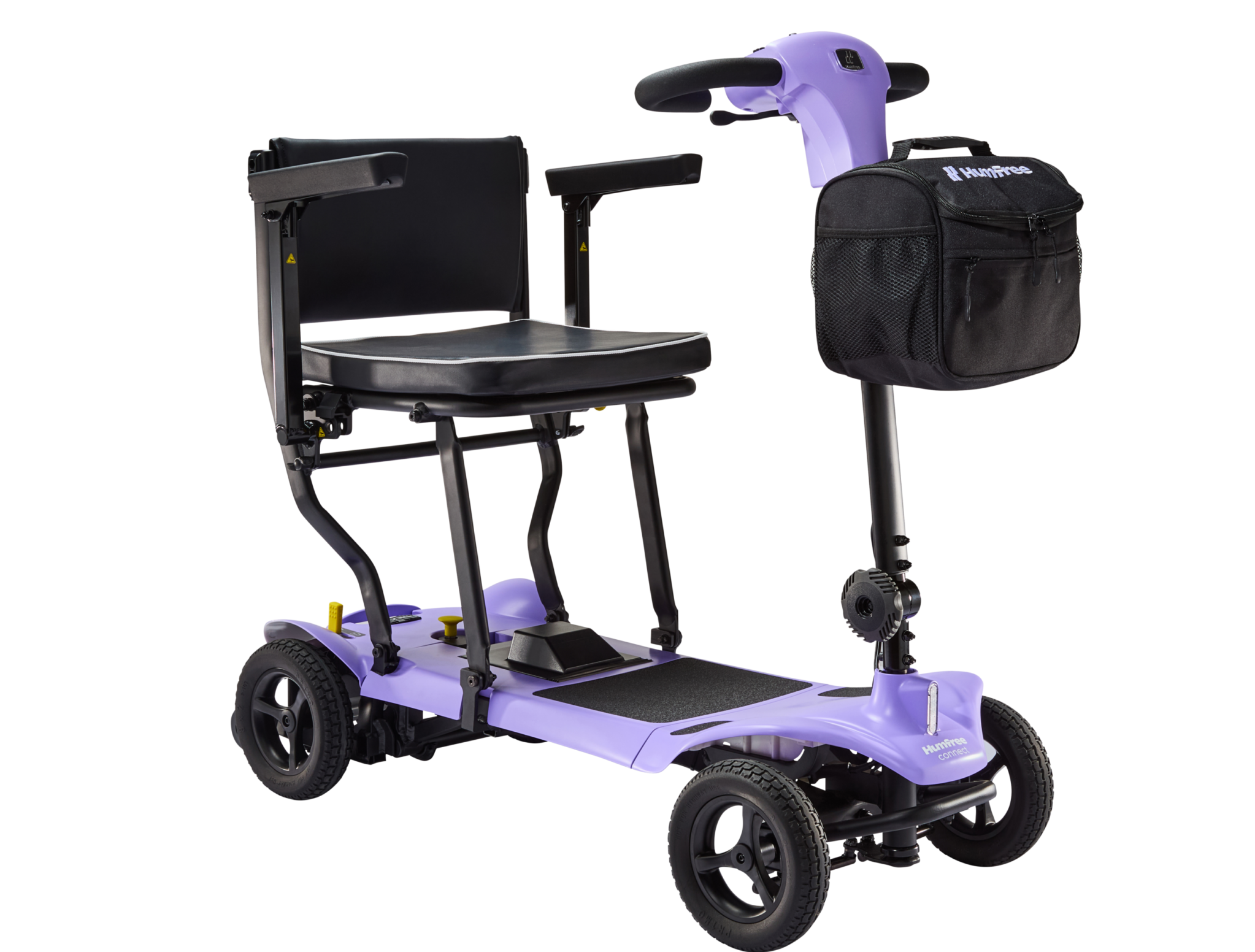
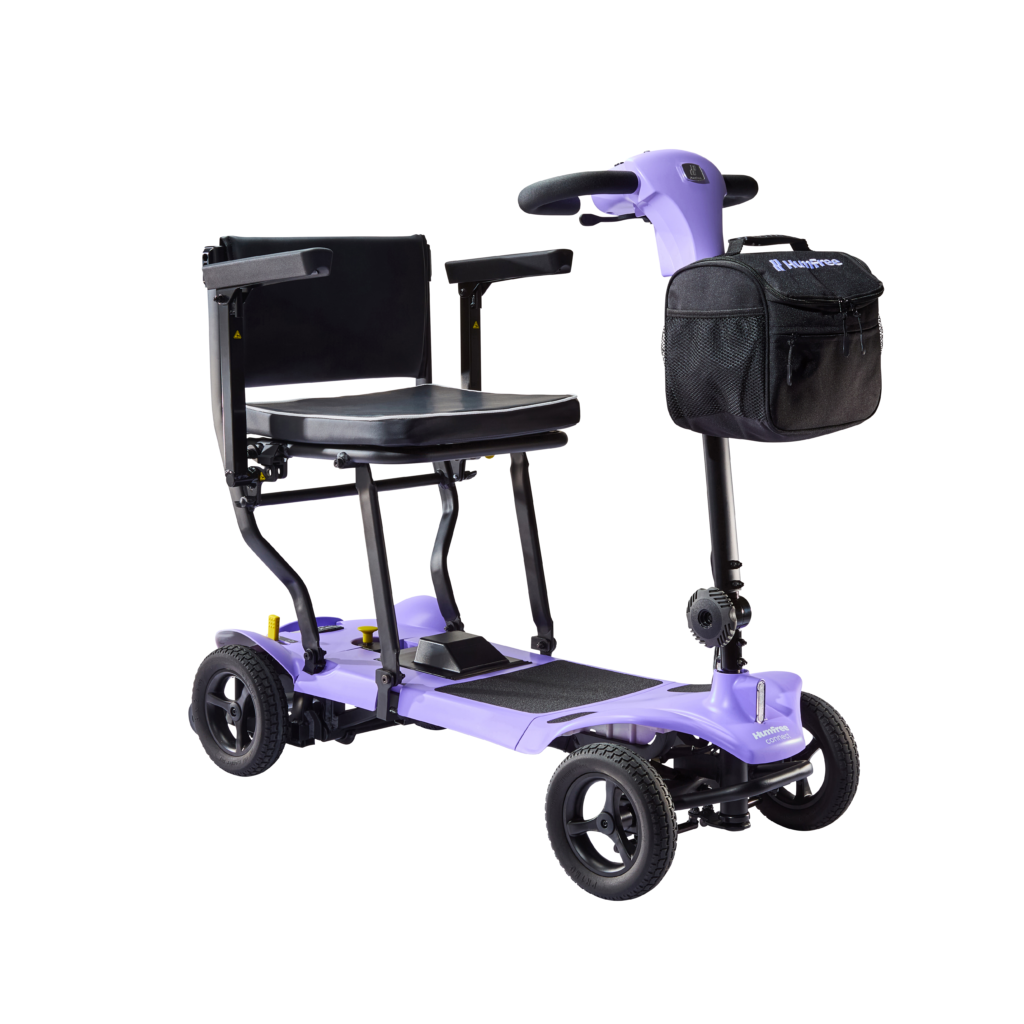
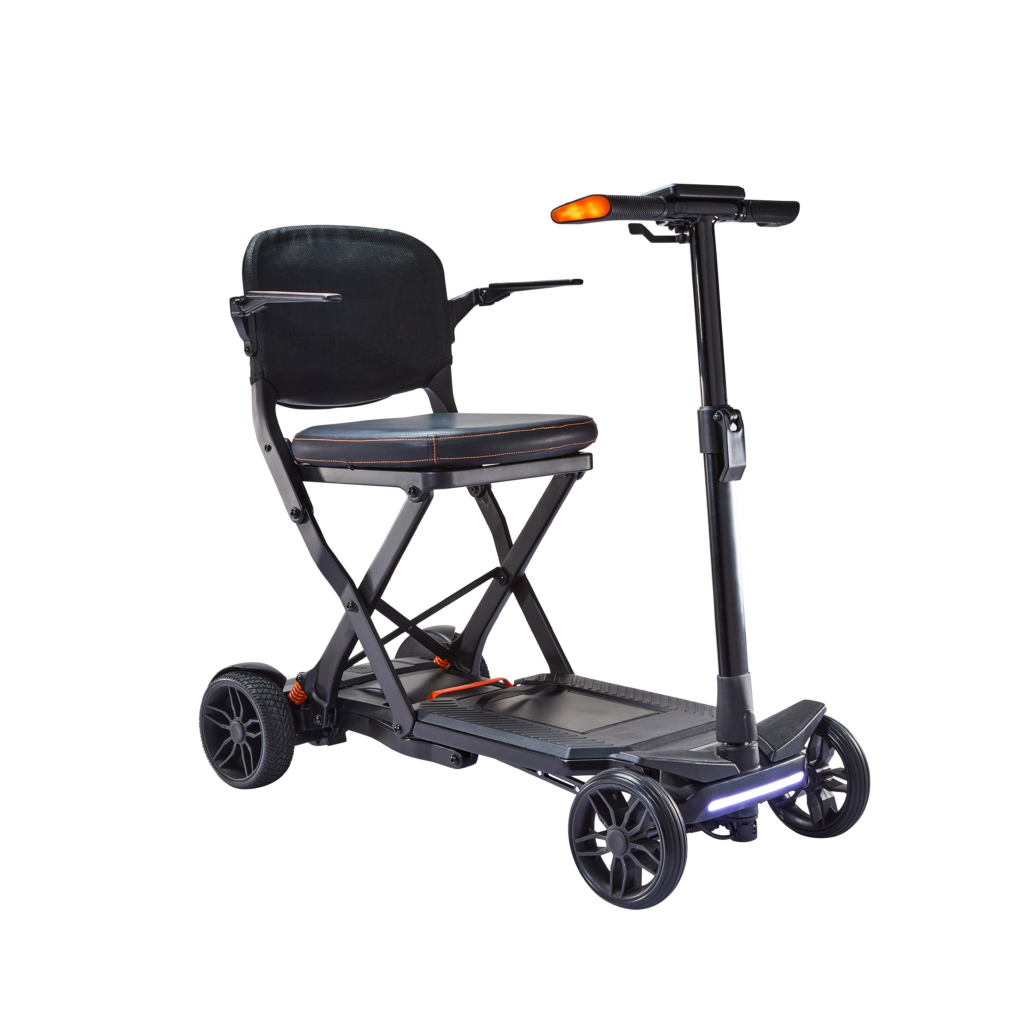
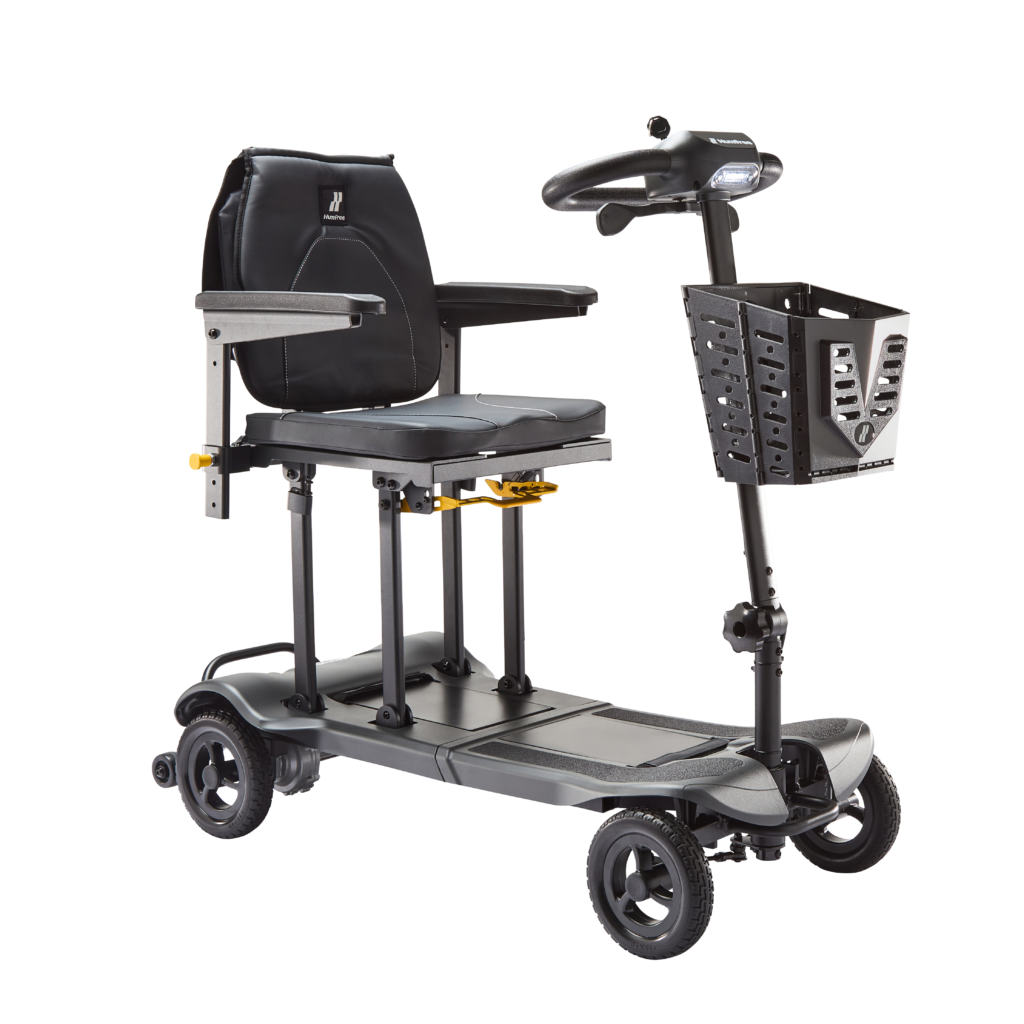
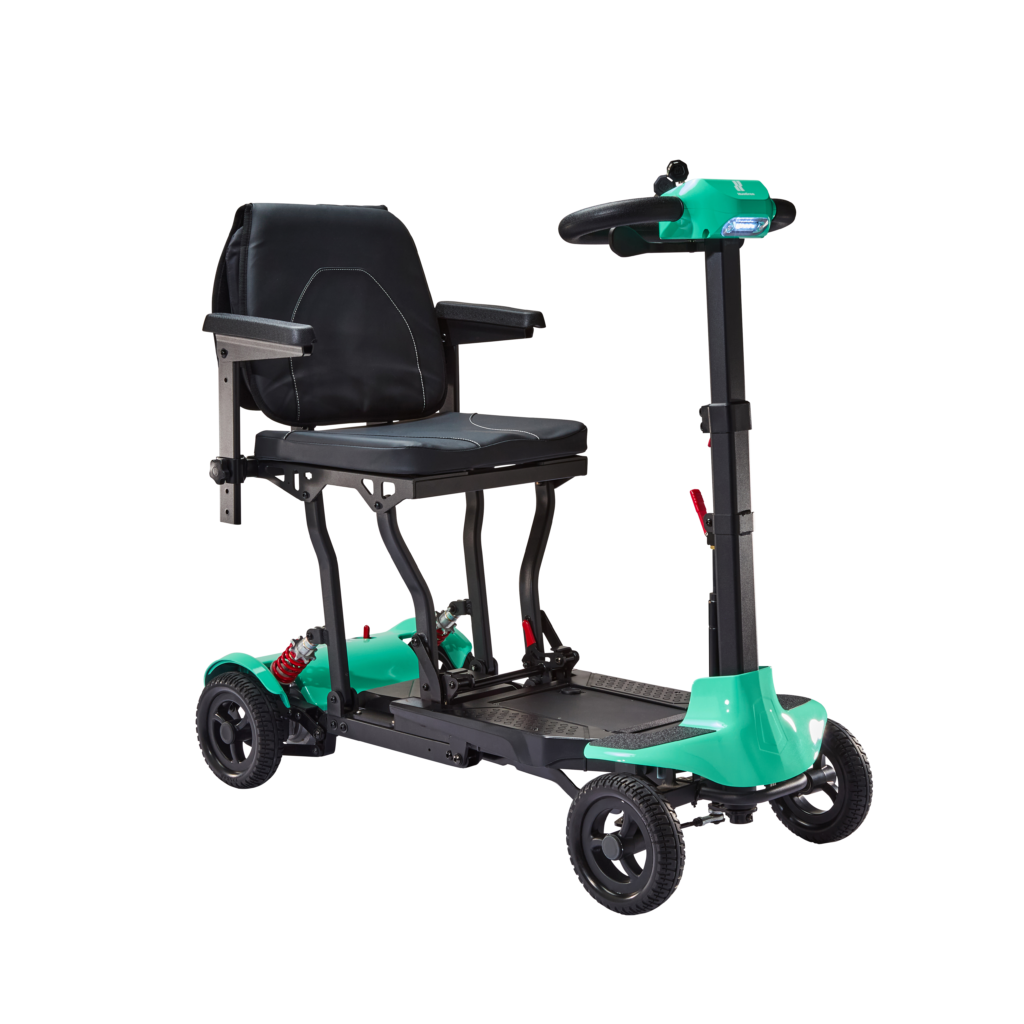
Modern scooters vary enormously in size and weight – ours, for example, range from sturdy road models to ones that fold down to the size of a small suitcase – but there’s still a practical layer to consider.
If you are concerned about this, we recommend trying a scooter out in real life. Because measurements are one thing, but you never really know if something will work in your space until you get hands-on with the real thing. This is a service we offer, so if you’d like to try a Humfree in your home, just get in touch.
3. Cost
Mobility scooters are not cheap. Depending on the type – compact travel scooters versus larger road-legal models – the price can range significantly. Even at the lower end, it’s an investment.
That said, the ‘worth it’ questions aren’t really something you can put a price on.
- How much is increased independence worth to you?
- How much is reduced pain worth?
- How much is the ability to say “yes” more often worth?
That’s why we offer flexible payment options, to keep the decision focused on your personal needs, rather than financial constraints. If you’d like to chat more about payment options, our friendly Bristol-based team is on-hand to offer advice.
So – is it worth buying a mobility scooter? Some final thoughts
Deciding whether to buy a mobility scooter is an emotional decision as much as a practical one. But one thing is clear: being able to live a full, socially rich life is non-negotiable. In fact, your health depends on it.
For that reason alone, there should be no shame in acknowledging that mobility challenges exist. It’s far from ‘giving up’ – investing in a tool that helps you move is a celebration of freedom.
A scooter isn’t a replacement for your independence – it’s a way to expand it. It lets you conserve energy, reduce pain, protect your balance, and stay socially connected. It’s a decision about where you want to spend your energy – in enjoying experiences, rather than just getting through them.
Ultimately, the question isn’t “Do I need a scooter?” It’s: “Do I want my world to be bigger, easier, and more enjoyable?” If the answer is yes, it’s likely worth exploring sooner rather than later.
Next steps: trying a scooter for yourself
If reading this has you thinking, “Maybe this could actually help me,” the next step is simple: experience it firsthand.
- Browse our website – Consider whether you want a folding scooter, one that fits in your boot, or a powerchair.
- Get in touch – give us a call if you’d like more advice, or book a home demo online. We can offer you tips, then bring a scooter (or two) to your home for you to try.
- Test it in your own space – Hallways, doorways, down the garden path and into your car boot give you a real sense of fit and maneuverability.
- Ask questions face-to-face – Storage, charging, transport, and support are all important. And you’ll probably find you have more questions after you’ve tried the real thing. Don’t hesitate to get clarity.
- Take your time – There’s no rush. Even a short trial can help you understand what life with a scooter might feel like.
And remember, trying a mobility scooter isn’t a commitment – it’s a chance to see how much easier life could be. And that’s it. Your choice, on your own terms, in your own time.
FAQs about buying a mobility scooter
Let’s address some of the most common questions.